Professional Offshore Fishing Rods
The Definitive Guide to Picking the Right Fishing Rods for Every Fisherman
Choosing the right fishing rod is vital for any angler's success. Different types of rods cater to various fishing styles and conditions. Understanding the fundamental features, such as material, action, and power ratings, can greatly impact performance. Yet, many anglers ignore these details. As they embark on their fishing journeys, the search for the perfect rod can turn out to be more complex than anticipated. What factors should they really prioritize?
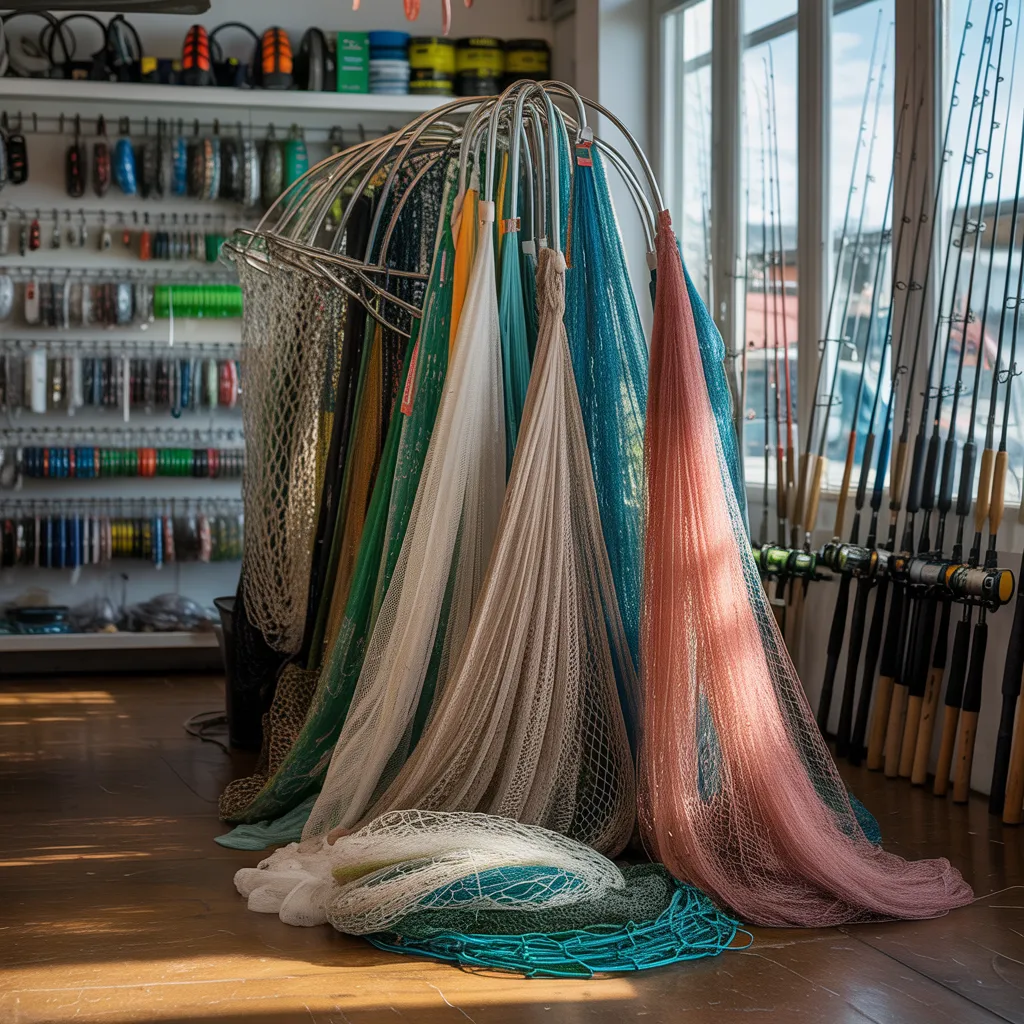
Comprehending Fishing Pole Essentials
Although fishing rods may look uncomplicated at first glance, understanding their primary components is crucial for any fishing enthusiast. A fishing rod is primarily constructed from the blank, guides, reel seat, and handle. The blank, typically constructed from materials like graphite or fiberglass, provides the structure and sensitivity essential for optimal casting. Guides, small rings fixed along the rod's length, help with line management and help direct the line's trajectory while casting and retrieval.
The reel seat functions as the mounting location for the fishing reel, guaranteeing stability while in use. The handle, typically crafted from cork or EVA foam, offers comfort and grip, enabling optimal control. These elements collaborate to impact the rod's performance, influencing casting distance, sensitivity, and power. Knowledge of these elements empowers anglers to make educated selections, elevating their fishing experience and success on the water.
Different Fishing Rod Varieties and Their Functions
When picking out a fishing rod, understanding the various types available is crucial for enhancing fishing success. There are numerous primary categories of fishing rods, each built for particular techniques and environments. Spinning rods are adaptable and user-friendly, well-suited for beginners and appropriate for light to medium tackle. Baitcasting rods provide greater control and accuracy, making them favored for experienced anglers targeting larger species.
Fly rods are deliberately engineered for fly fishing, providing a lightweight design that allows for delicate presentations. Surf rods, on the other hand, are lengthy and robust, serving anglers fishing from the shore. For those interested in ice fishing, specialized ice rods are compact and responsive, designed to detect subtle bites through the ice. In the end, comprehending these different types ensures anglers select the right rod for their fishing approach and target fish, elevating their overall experience on the water.
Critical Features to Evaluate When Selecting a Rod
Choosing the right fishing rod requires careful consideration of multiple key features that can greatly impact performance. One vital aspect is the material of the rod, which often includes graphite, fiberglass, or composite materials. Graphite is lightweight and responsive, while fiberglass offers durability and flexibility. Another important feature is the rod's action, which dictates how much the rod bends when pressure is applied. Fast action rods respond quickly, whereas slow action rods provide greater flexibility. Additionally, the handle type, typically made from cork or foam, affects ergonomics and grip during use. Reel seat quality is equally essential, as it guarantees secure attachment of the reel. Finally, guides and tip quality influence line movement and casting distance. By understanding these features, anglers can select a rod that best meets their fishing style and preferences.
Selecting the Correct Length and Power
Picking the appropriate length and power for a fishing rod is essential for achieving optimal performance. Rod length affects casting distance and accuracy, while power ratings reveal the rod's strength and capability to handle diverse species. Comprehending these elements helps anglers make knowledgeable decisions customized to their fishing needs.
Comprehending Rod Length
Rod length is crucial for determining the overall performance and effectiveness of a fishing rod. Extended rods, usually between 7 and 12 feet, deliver improved casting distance and leverage, making them excellent for surf fishing or targeting species in larger bodies of water. In contrast, shorter rods, typically between 5 to 6.5 feet, provide greater accuracy and control, which is advantageous for small streams or tight fishing spots. The choice of rod length should align with the angler's fishing style, technique, and target species. Understanding the environment and fishing conditions will also determine the appropriate length. In the end, selecting the right rod length enriches the fishing experience and leads to more successful outings on the water.
Explaining Power Ratings
Comprehending rod length is merely one factor of picking the right fishing rod; power ratings are just as crucial in matching the rod to particular fishing conditions and techniques. Power ratings show the rod's strength and capability, determining how much weight it can handle. Rods are usually categorized as ultralight, light, medium, medium-heavy, and heavy. An ultralight rod is appropriate for small fish and finesse techniques, while a heavy rod is engineered for larger species and heavy lures. Selecting the right power rating confirms that anglers can efficiently control their line and lure, enhancing their chances of success. Evaluating the targeted species and fishing environment will help anglers in making the best choice for their needs.
Coordinating Your Rod With Reel and Line
Often, anglers find that the effectiveness of their fishing trip copyrights on the compatibility of their rod, reel, and line. Selecting the right combination delivers peak performance and improves the overall fishing experience. The rod's power and action should match the reel's gear ratio and type, whether spinning or baitcasting. For instance, a lightweight rod paired with a high-speed reel is ideal for swift retrieves, while a heavier rod may require a more robust, slower see this article reel for heavier catches.
The selection of fishing line is equally important; the line strength should align with the rod's specifications and the reel's capacity. Monofilament, fluorocarbon, or braided lines offer different advantages, affecting sensitivity and casting distance. Ultimately, achieving a proper balance between these components allows anglers to optimize their effectiveness on the water, improving both casting accuracy and fish fighting capabilities.
Servicing Advice for Long-Term Reliability and Efficiency
Looking after a fishing rod is vital for maintaining its longevity and optimal performance. Regular cleaning practices, correct storage techniques, and periodic inspections for damage can greatly extend the lifespan of the equipment. By adopting these maintenance tips, anglers can enhance their fishing experience and safeguard their investment.
Standard Cleaning Procedures
Though fishing enthusiasts tend to focus on choosing the perfect rod, regular cleaning practices are essential for maintaining longevity and optimal performance. After each fishing session, it is crucial to rinse the rod with fresh water to remove salt deposits, dirt, and debris that can cause corrosion. A soft cloth can be used to wipe off the rod and guides, making sure no moisture is left behind. For rods with cork handles, a mild soap solution can aid in keep their condition. Evaluating the rod for any signs of damage or wear is also crucial; this allows for immediate repairs. Regular cleaning not only enhances the rod's appearance but also preserves its functionality, making it a worthwhile practice for every angling enthusiast.
Effective Storage Procedures
Appropriate storage methods are crucial for prolonging the lifespan and effectiveness of fishing rods. Fishermen ought to keep rods in a temperature-controlled, moisture-free area to prevent moisture buildup, which can cause corrosion. Using rod holders or racks helps maintain their shape and prevents warping or bending. It is advisable to avoid placing heavy objects on top of the rods or leaning them against walls, as this can generate unnecessary stress. Additionally, separating individual rods with protective sleeves can minimize friction and potential damage. For those using rod cases, making sure they are well-ventilated will further protect the rods from humidity. In the end, proper storage safeguards against wear and tear, guaranteeing rods remain in excellent state for future fishing adventures.
Assessing for Damage
Periodic examinations are crucial for maintaining the longevity and performance of fishing rods. Anglers should review their rods routinely for any signs of wear or damage. This includes inspecting the rod blank for cracks, splinters, or discoloration, as these can compromise structural integrity. Moreover, guides and tip tops must be inspected for damage or loose components, which can obstruct line movement and lead to breakage. Ferrules should also be evaluated to verify a secure connection between rod sections. Furthermore, the reel seat must be checked to stop slippage during use. Managing any identified issues promptly through repairs or replacements can considerably extend the life of a fishing rod and enhance the overall fishing experience.
Questions & Answers
Which Fishing Rod Brand Is Best for Beginners?
For those new to fishing, brands such as Ugly Stik and Shimano offer excellent options. They provide durable, user-friendly rods with good flexibility and strength, making them ideal for novice anglers seeking dependable performance while understanding the essentials of fishing.
How Much Does a First Fishing Rod Cost?
Experts suggest newcomers invest between $50 to $100 toward their first fishing rod. This price range usually delivers a balance of quality and affordability, ensuring a positive experience without burdening the beginner angler financially.
Can You Use a Spinning Rod for Baitcasting?
Spinning rods are not suitable for effective baitcasting. Every rod type is engineered for particular techniques, as spinning rods work best with lighter lines and lures, whereas baitcasting rods perform best with heavier tackle and precision casting.
What Is the Ideal Material for a Fishing Rod?
The best material for a fishing rod is typically graphite, recognized for its responsiveness and lightweight attributes. Fiberglass, while weightier, delivers sturdiness, making it well-suited for select fishing styles. At the end of the day, the choice relies on personal preference and fishing conditions.
How Can I Determine Whether a Rod Is Too Heavy for Me?
To evaluate if a rod weighs too much, an angler should assess ease of use when casting and retrieving. If fatigue or strain occurs quickly, the rod could be excessively heavy for their strength and technique.